Personal Tracking
GPS Tracking for Cheating Spouses: Is It Legal?
Thinking about putting a GPS tracker on your spouse's car? Here's what the law says in several states, when it's legal, and when it can backfire.

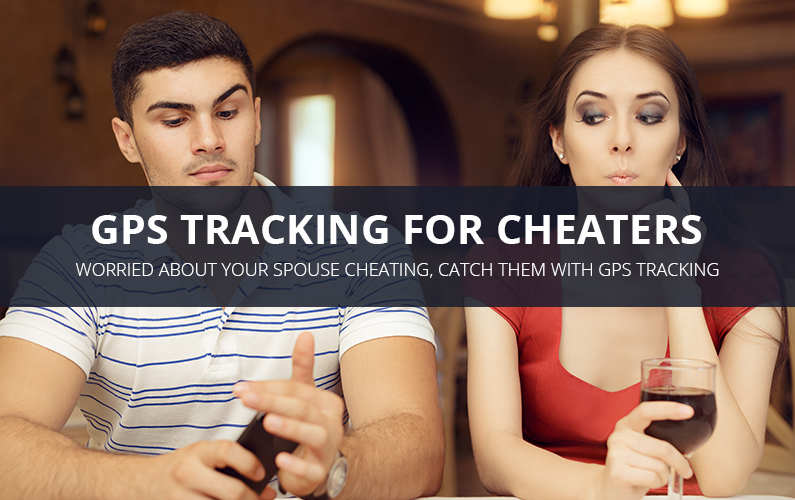
If you suspect your spouse is cheating, a GPS tracker on their car can look like the fastest way to get answers. Before you buy one, it's worth knowing that tracking another adult without their consent is a crime in many states, and evidence gathered the wrong way can hurt you in a divorce instead of helping.
This guide covers what the law says, where the lines usually fall, and how to use GPS tracking in a way that doesn't put you on the wrong side of it.
This article is general information, not legal advice. Laws change and vary by state, so talk to a family law attorney in your state before tracking anyone.
The short answer: it depends on who owns the car
Most state laws focus on two questions:
- Who owns or leases the vehicle?
- Did the person being tracked consent?
Tracking a vehicle you own outright is treated very differently from placing a device on a car that belongs to someone else. Where things get complicated is the family car: a vehicle that's jointly titled, or that is in your name but driven only by your spouse.
What some states say
California. Penal Code 637.7 says no person "shall use an electronic tracking device to determine the location or movement of a person." It does not apply "when the registered owner, lessor, or lessee of a vehicle has consented to the use of the electronic tracking device with respect to that vehicle." A violation is a misdemeanor.
Texas. Penal Code 16.06 makes it an offense to knowingly install a tracking device "on a motor vehicle owned or leased by another person." It's a Class A misdemeanor. Having the effective consent of the owner or lessee before installing the device is a defense.
Florida. Statute 934.425 bars installing a tracking device on "another person's property without that person's consent," or using one to track another person without consent. It is a third-degree felony. Florida also says consent is presumed revoked once one spouse files for dissolution of marriage, or when either person files for an injunction for protection against the other. So "they said it was fine" may stop being true the day divorce papers are filed.
Tennessee. Code 39-13-606 makes it a Class A misdemeanor to install a tracking device on a vehicle "without the consent of all owners of the vehicle" for the purpose of monitoring an occupant. On a jointly owned car, one spouse's say-so isn't enough.
Other states have their own tracking statutes, and nearly every state has stalking and harassment laws that can apply to repeated, unwanted monitoring of another person, whatever the ownership situation.
Why it can backfire in a divorce
People often track a spouse to "get proof" for court. In practice:
- Many states are no-fault divorce states, so proof of an affair may not change the outcome as much as you'd expect.
- Illegally gathered evidence can be excluded, and it can expose you to criminal charges or a civil claim for invasion of privacy.
- It can be used against you in custody decisions or as grounds for a protective order.
An attorney can tell you whether location evidence would even matter in your case, and how to obtain it lawfully. That can include discovery during the case, or a licensed private investigator working within the law.
When GPS tracking is clearly on solid ground
GPS tracking has plenty of uses that don't raise these questions:
- Your own vehicle. Knowing where your car is, and getting it back if it's stolen.
- A teen driver in a car you own. Several states carve out an exception for parents monitoring a minor child.
- Family members who agree to it, for example sharing location on a long road trip or with an aging parent, with everyone's knowledge.
- Business vehicles your company owns, with a written policy that drivers know about.
The common thread is ownership plus transparency. If the person driving knows the tracker is there and you have the right to put it there, you're generally fine.
Before you track anyone, ask yourself
- Is the vehicle titled only in my name, or jointly, or in theirs?
- Does the person driving it know, and have they agreed?
- Has either of us filed for divorce or a protective order?
- Have I talked to a family law attorney in my state?
If the answer to any of these gives you pause, stop and get legal advice first.
Frequently asked questions
Can I put a tracker on a car that's in my name if my spouse is the one who drives it?
It depends on your state. In California, for example, the tracking law doesn't apply when the registered owner has consented. But stalking and harassment laws can still apply to secretly monitoring another adult, whoever owns the car. Talk to an attorney before you do it.
What if my spouse and I own the car together?
Joint ownership doesn't automatically give either spouse the right to track the other. In Tennessee, for example, the law requires the consent of all owners of the vehicle.
Is it legal if my spouse agrees to be tracked?
Generally, consent is what makes tracking lawful. Get it in writing, and remember it can end. In Florida, consent is presumed revoked once either spouse files for divorce.
Will GPS records hold up as evidence in a divorce?
Not necessarily. Evidence gathered illegally can be thrown out and can expose you to criminal or civil liability. Your attorney can tell you what's admissible in your state and how to get location information lawfully.
How can I tell if someone has put a tracker on my car?
Check common hiding spots: under the bumpers, inside the wheel wells, under the seats, and plugged into the OBD port under the dashboard. If you find one and feel unsafe, contact local law enforcement before you remove it.
The bottom line
GPS tracking is a legitimate tool, but "can I track my spouse?" is a legal question before it's a technical one. Tracking a car you own, with the driver's knowledge, is on firm ground. Secretly tracking a spouse's car can be a crime, and can hurt your case more than it helps.
If you're looking for a tracker for your own vehicle, a teen driver, or a family car everyone knows about, contact GPS Leaders and we'll help you pick the right device.
Sources
- California Penal Code 637.7
- Texas Penal Code 16.06
- Florida Statutes 934.425
- Tennessee Code 39-13-606