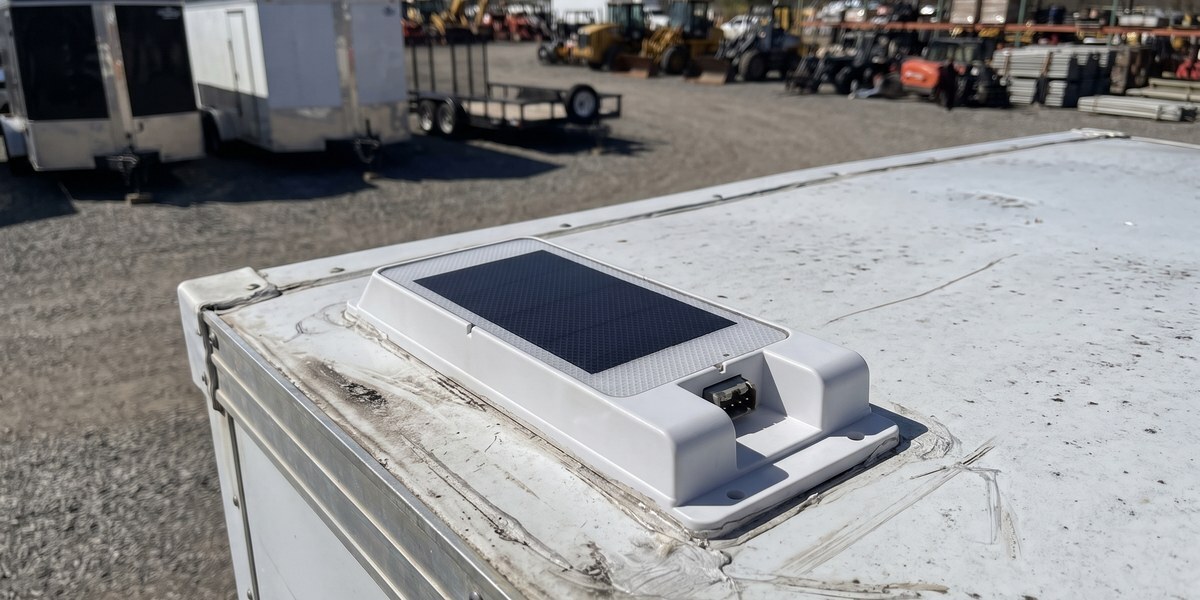
Fleet Tracking
Leveraging Fleet Vehicle Usage Data
Unlock fleet efficiency with vehicle usage data. Improve underwriting, asset utilization, and ROI using GPS Leaders’ advanced fleet tracking tools.

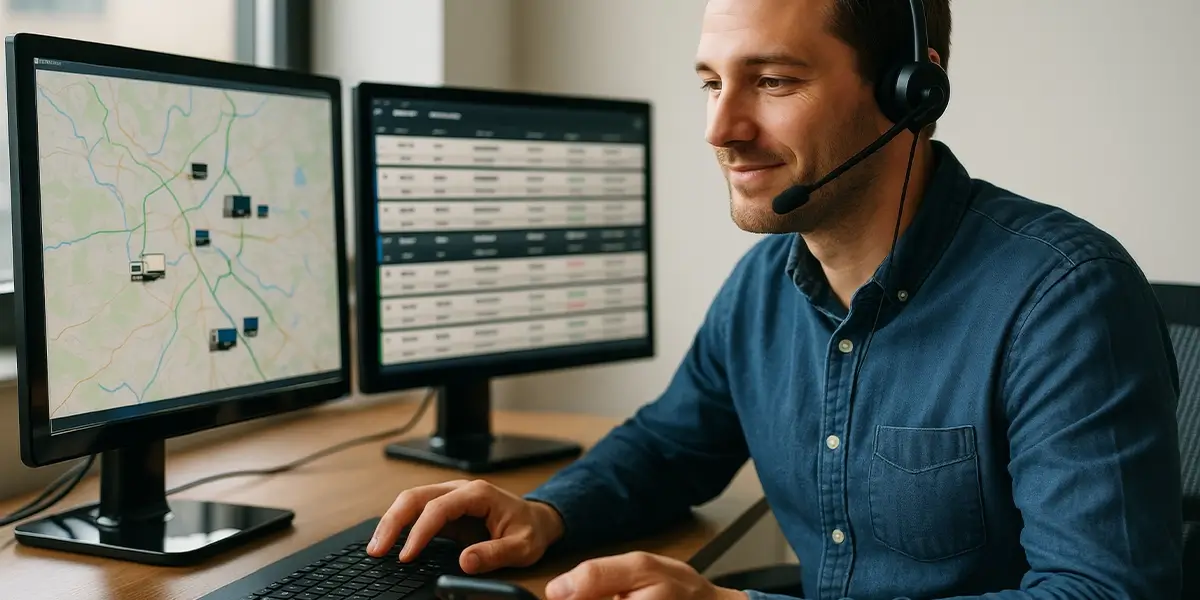
Leveraging Fleet Vehicle Usage Data: Better Underwriting, Asset Utilization & ROI for Fleets
In a modern fleet operation, every mile, engine hour, and idle minute generates data. When harnessed effectively, that data transforms from background noise into powerful business intelligence — guiding underwriting decisions, improving asset utilization, and driving measurable ROI.
For fleet operators, leasing companies, and corporate logistics managers, vehicle usage data has become the new foundation for profitability and sustainability. And with GPS Leaders’ Fleet Tracking platform, that transformation becomes actionable, measurable, and compliant.
The Growing Importance of Vehicle Usage Data
The fleet industry is undergoing a data revolution. A 2024 report by the U.S. Department of Transportation estimated that commercial vehicles collectively travel over 300 billion miles annually, and that data from telematics and usage monitoring can reduce fleet costs by 10–20% when properly analyzed (U.S. DOT Fleet Data Study, 2024).
Meanwhile, the American Transportation Research Institute (ATRI) found that fuel, maintenance, and driver costs represent over 90% of a fleet’s total operating expenses, making operational efficiency a key profitability lever (ATRI Operational Costs of Trucking, 2023).
With this cost pressure, fleet companies can no longer rely on static schedules and intuition. Instead, they must turn vehicle usage data into actionable insight — measuring how assets are actually used, how drivers operate, and where resources can be optimized.
Understanding Vehicle Usage Data
“Vehicle usage data” refers to metrics that describe how vehicles are driven, how often they’re active, and what conditions they face. The most valuable indicators include:
- Mileage and Engine Hours — Key inputs for maintenance cycles and depreciation modeling.
- Idle Time — Identifies wasted fuel and unnecessary engine wear. The U.S. Environmental Protection Agency (EPA) estimates that long-duration idling wastes up to 6 billion gallons of fuel annually across U.S. fleets (EPA SmartWay Report, 2023).
- Utilization Rate — The percentage of time a vehicle is in active service versus available time. Under-utilized vehicles drag down ROI.
- Load and Duty Cycle Data — Provides insight into how heavily assets are used, helping predict maintenance and replacement needs.
- Driving Patterns — Speeding, harsh acceleration, and stop-and-go trends correlate directly with maintenance and fuel costs.
Collecting and analyzing this data allows fleet managers to move from reactive maintenance and arbitrary replacement cycles to predictive management and optimized capital allocation.
How Usage Data Improves Underwriting
For fleets that finance vehicles, offer leasing programs, or manage risk portfolios, underwriting is a balancing act between opportunity and exposure. Vehicle usage data offers objective, quantifiable inputs to improve that balance.
1. Risk Profiling Based on Real Use
Instead of underwriting based on mileage estimates, usage data reveals actual exposure. Vehicles with high engine hours, long idle times, or extreme duty cycles can be flagged as higher risk, allowing for accurate pricing or tighter terms.
2. Data-Driven Residual Value Modeling
Traditional depreciation models rely on static mileage brackets. By analyzing usage intensity, fleets can forecast residual values more precisely, helping avoid loss when reselling or refinancing assets.
3. Improved Credit and Insurance Decisions
According to a 2023 Insurance Information Institute report, fleets that provide verifiable usage and safety data reduce loss ratios and qualify for lower insurance premiums due to demonstrable risk management (III Commercial Auto Report, 2023).
4. Usage-Based Financing Models
Some lenders and internal finance departments now base payments on usage metrics rather than calendar schedules. This aligns cash flow with real asset performance — a structure made possible through accurate vehicle usage data.
Maximizing Asset Utilization
Idle vehicles cost money. Work trucks typically idle 4 to 6 hours a day, burning 0.8 to 1.5 gallons an hour (U.S. Department of Energy, Clean Cities).
Here’s how usage data helps solve that:
1. Identifying Under-Utilized Vehicles
By comparing active hours and mileage across your fleet, you can pinpoint assets that sit unused. Selling, reallocating, or pooling those vehicles reduces depreciation and overhead.
2. Right-Sizing the Fleet
Usage data often reveals that your fleet can handle the same workload with fewer vehicles. According to a McKinsey & Company study, data-driven right-sizing reduces fleet costs by up to 25% in mature operations (McKinsey Mobility Report, 2023).
3. Optimizing Routes and Assignments
When tied to route data, usage patterns show which routes overuse certain vehicles and underuse others. Redistributing workload increases asset lifespan and balances maintenance demand.
4. Reducing Idle and Empty Miles
By analyzing idle time and non-revenue miles, fleet managers can redesign schedules and enforce idling policies. The U.S. DOE reports that eliminating one hour of idling per day saves about $1,900 per truck per year in fuel and wear costs (U.S. Department of Energy, 2023).
5. Extending Vehicle Lifespan
When usage data is paired with predictive maintenance, fleets can extend average vehicle lifespan by 15–20%, avoiding early replacement and improving return on assets.
Using Data to Drive ROI
Return on investment (ROI) in fleet operations depends on using every asset efficiently and preventing cost leaks. Usage data connects the dots across performance, maintenance, and finance.
1. Maintenance Optimization
A report by the National Institute for Automotive Service Excellence found that fleets implementing usage-based maintenance reduced unexpected breakdowns by 40% and overall maintenance spend by 12% (ASE Fleet Maintenance Study, 2023).
2. Fuel Efficiency Gains
Driving behavior and idle time both affect fuel efficiency, and telematics-derived usage data helps identify those waste patterns.
3. Productivity and Dispatch Efficiency
Fleets using real-time usage analytics experience fewer missed assignments, faster route turnaround, and better driver scheduling. According to the American Truck Association’s Fleet Productivity Survey 2023, productivity increases by an average of 14% after adoption of integrated usage-data systems (ATA Productivity Survey, 2023).
4. Reduced Fleet Size, Same Output
When you right-size based on usage data, you may reduce total vehicles by 10–20% while maintaining the same delivery volume. Fewer vehicles mean lower fixed costs, insurance, and maintenance — directly improving ROI.
5. Data-Driven Capital Planning
Usage trends reveal when to replace or retire assets before maintenance costs spike. That helps align capital budgets with operational needs, reducing surprise expenses and improving long-term ROI.
Turning Insights into Action with GPS Leaders
While many tracking systems collect data, GPS Leaders Fleet Tracking transforms that data into decisions. Tailored for fleet operators across transportation, delivery, and service industries, GPS Leaders provides the precision tools needed to make usage data actionable.
Key Advantages of GPS Leaders’ Fleet Tracking Platform
- Comprehensive Usage Analytics: View mileage, engine hours, idle time, and utilization in one dashboard.
- Real-Time Monitoring: Detect overuse, under-use, or deviations instantly.
- Predictive Maintenance Support: Automatically flag service thresholds based on true usage, not fixed schedules.
- Custom Reporting: Export data for underwriting, insurance, or compliance documentation.
- Operational Efficiency Alerts: Receive notifications for excessive idling, missed routes, or unassigned assets.
- Scalable Architecture: Whether you manage 50 vehicles or 5,000, GPS Leaders delivers enterprise-level performance.
Every insight on the platform is designed to help you protect your assets, reduce costs, and elevate operational ROI — all without overcomplicating your workflow.
Implementation Best Practices
To fully leverage vehicle usage data, fleet leaders should follow a structured approach:
- Define KPIs — Start with clear, measurable objectives such as utilization rate, idle reduction, or maintenance interval accuracy.
- Establish Baselines — Record pre-implementation performance to measure improvement.
- Train Teams — Ensure dispatchers, maintenance, and drivers understand how the data supports them.
- Integrate Financial Metrics — Link usage insights to cost-per-mile and total cost of ownership (TCO).
- Automate Reports — Use scheduled analytics to keep stakeholders informed without manual work.
- Review Quarterly — Revisit usage patterns, reassess right-sizing decisions, and refine benchmarks.
- Recognize Achievements — Celebrate improvements in fuel efficiency, utilization, or downtime reduction to build cultural buy-in.
Real-World Example
A Nevada-based logistics fleet managing 250 delivery vehicles adopted GPS Leaders Fleet Tracking to monitor vehicle usage data. Within the first year, they achieved:
- 22% reduction in idle time, saving an estimated $110,000 in annual fuel cost.
- 15% improvement in vehicle utilization by reallocating underused assets.
- 18% lower maintenance cost through predictive service scheduling.
- 20% fewer replacements due to better lifecycle management.
These results reflect the power of usage-driven decision-making — not theoretical gains, but real operational transformation.
Overcoming Common Challenges
Even data-rich fleets can struggle to extract value. Here’s how to overcome the biggest hurdles:
- Too Much Data: Focus on a few core KPIs that tie directly to cost or utilization.
- Data Silos: Consolidate all vehicle metrics into one platform (like GPS Leaders) for unified analysis.
- Lack of Context: Combine usage data with financial, maintenance, and route data for a complete picture.
- Cultural Resistance: Educate teams that usage tracking improves efficiency — not surveillance, but empowerment.
The Bottom Line
Vehicle usage data is no longer a “nice-to-have” — it’s the competitive differentiator for profitable, data-driven fleet operations. From better underwriting and lower insurance premiums to higher utilization and predictive ROI, the fleets that leverage their data lead their markets.
With GPS Leaders Fleet Tracking, that insight becomes simple, compliant, and scalable.
Ready to unlock the full potential of your fleet data?👉 Visit GPS Leaders Fleet Tracking or schedule a demo and learn how usage analytics can transform your operation.
Empower your team with real-time insights, smarter underwriting, and measurable ROI — all powered by GPS Leaders.