Fleet Tracking
Idle Time Management: How Fleets Can Save Thousands with GPS Tracking
How to cut fleet idle time: flag engine-on time with no movement, get idle alerts, and coach drivers to save fuel. What a tracker shows you.

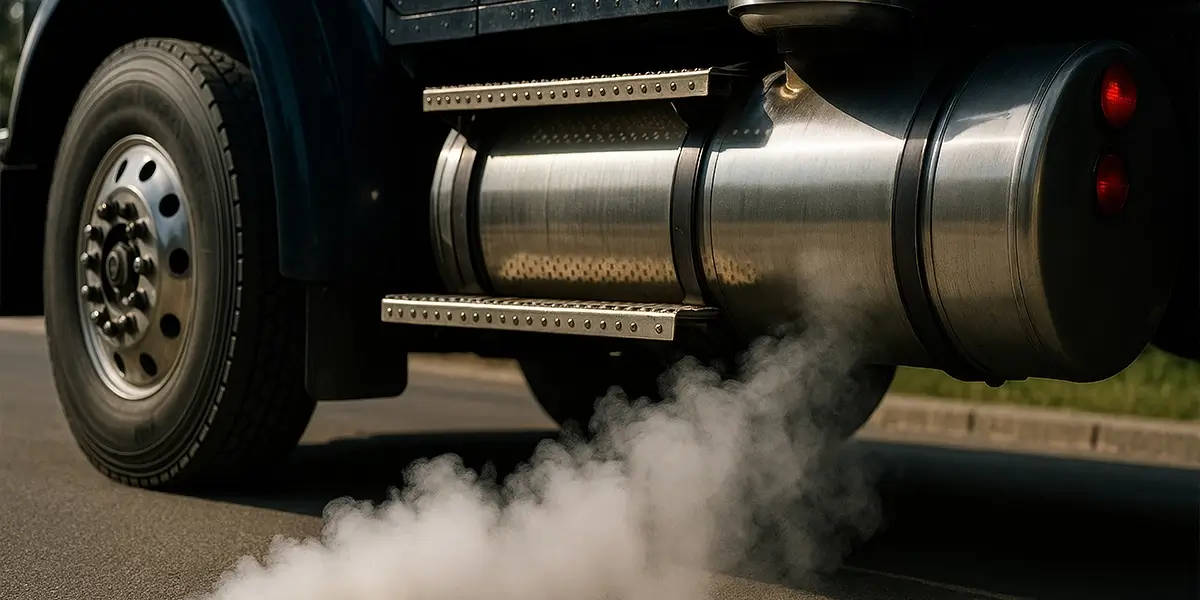
For fleet operators across transportation, service, construction, utility, delivery, and corporate vehicle segments, excessive idling is one of the most overlooked—but most expensive—operational drains. Between wasted fuel, accelerated engine wear, inflated maintenance schedules, and unnecessary emissions, poor idle management costs fleets thousands of dollars per vehicle per year.
Despite this, many fleets do not track idle time accurately, rely on manual reporting, or underestimate how frequently drivers leave vehicles idling during work hours, lunch breaks, paperwork time, or winter warm-ups. But with modern GPS fleet tracking, accurate idle-time monitoring and reduction strategies are now easier, more automated, and more cost-efficient than ever.
This article breaks down the real financial impact of idling, the latest national statistics, the hidden risks most fleets overlook, and exactly how GPS tracking from GPS Leaders helps fleet companies take control of idle time and turn wasted fuel into real savings.
Why Idle Time Matters: The Hidden Cost Fleets Overlook
Idling isn't just inefficient—it's shockingly expensive. Many fleet managers assume idling is minor, but national energy and transportation data says otherwise.
Idle Time Cost Statistics Fleets Should Know
- The U.S. Department of Energy reports that idling wastes 3 billion gallons of fuel every year nationwide.Source: U.S. Department of Energy — Idle Reductionhttps://www.energy.gov/eere/vehicles/articles/idle-reduction
- Medium-duty and heavy-duty trucks can burn 0.8 to 1.2 gallons of fuel per hour when idling.Source: Argonne National Laboratory — Transportation Researchhttps://www.anl.gov
- For light-duty commercial vehicles, idling burns 0.2 to 0.5 gallons per hour, depending on engine size and climate conditions.Source: EPA Fuel Economy Resourceshttps://www.fueleconomy.gov
- Unnecessary idling increases engine wear equivalent to 33 extra miles of driving per hour.Source: Ford Pro Commercial Insightshttps://www.commercial.ford.com
When you calculate labor, fuel, engine depreciation, and increased maintenance, a single vehicle idling 2 hours per day can cost $1,500–$3,000 per year—multiplied across a 20-vehicle fleet, that’s $30,000–$60,000 LOST annually.
Most fleets don’t realize their true idle cost until they measure it.
Why Idling Happens (Even in Well-Managed Fleets)
Idling happens for many reasons, but consistently falls into predictable patterns:
Driver Convenience & Habit
Drivers often leave a vehicle running:
- When using climate control
- During phone calls or paperwork
- When making quick stops
- While waiting at job sites
Without monitoring, this becomes routine—and extremely costly.
Operational Delays
Vehicles idle during:
- Job-site staging
- Loading and unloading
- Queues for gates or docks
- Crew waiting periods
Idle alerts help fleets adjust workflows to reduce waste.
Weather Conditions
Hot or cold climates lead drivers to:
- Idle for A/C
- Idle for heat
- Defrost windows
- Warm up vehicles
Some idle time is acceptable, but without data, it’s easy to exceed reasonable limits.
Mechanical Misconceptions
Many drivers still believe:
- Idling uses less fuel than restarting (not true)
- Idling keeps engines healthier (incorrect)
- Short idling doesn't matter (it does)
Training + GPS data solves this.
The True Financial Impact of Fleet Idling
1. Fuel Waste – The #1 Expense
Fuel is the largest operating cost for nearly all fleets.
Even light-duty vehicles burning 0.25 gallons per hour can waste:
- 125 gallons per year with 1 hour/day idling
- 250 gallons per year with 2 hours/day idling
At $3.75/gal, that’s $468–$937 per vehicle annually in wasted fuel.
For heavy trucks, the cost can exceed $3,000–$5,000 per vehicle per year.
2. Engine Wear & Maintenance Costs
The Department of Energy reports that excessive idling increases maintenance costs by:
- Adding unnecessary engine hours
- Requiring earlier oil changes
- Shortening engine life
One hour of idling = 33 miles of engine wear, which accelerates depreciation dramatically.
3. Violations & Regulatory Pressures
Several states—including parts of California, New York, and environmental regions—have anti-idling rules with fines for excessive engine time. Even if operating out-of-state, fleets may need compliance proof.
4. Increased Emissions
Idling produces unnecessary:
- CO₂
- NOx
- Particulate matter
Reducing idle time improves ESG scores and supports sustainability reporting.
How GPS Leaders Helps Fleets Reduce Idle Time Dramatically
The key to reducing idling is visibility. Fleets cannot change what they cannot track.
GPS Leaders' fleet tracking system provides real-time idle detection, analytics, and alerts that give fleet managers complete control over fuel waste and operational inefficiencies.
What are the best telematics solutions to reduce equipment idle time?
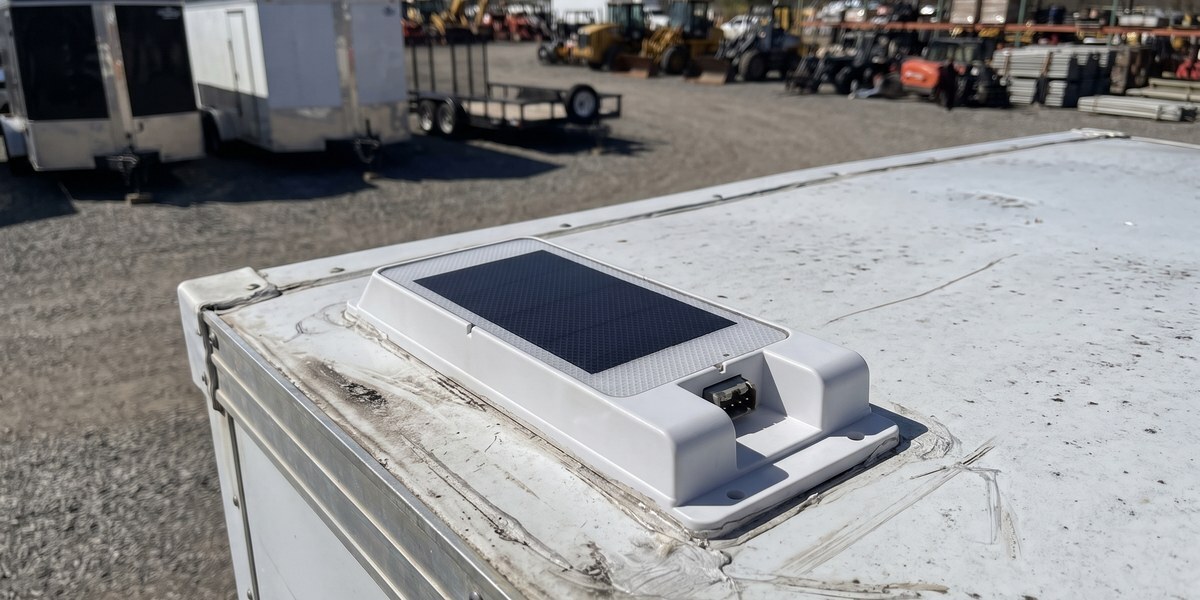
The most useful setup is a tracker on each truck or machine that flags engine-on time with no movement and sends an idle alert, so you can see which units waste fuel and coach the operators. GPS Leaders' fleet tracker includes idling alerts and 30-second updates for 69 dollars per device plus 15.98 a month, with no contract.
✔ Real-Time Idle Alerts
Instant notifications when a vehicle idles beyond:
- 3 minutes
- 5 minutes
- 15 minutes(or custom thresholds)
Managers can intervene immediately or coach drivers later.
✔ Idle Time Dashboards
See exactly:
- Which drivers idle the most
- Idle time per trip
- Idle heat maps across job sites
- Idle vs. driving percentages
- Total fuel wasted
This gives fleets actionable insight to reduce costs fast.
✔ Driver Behavior Coaching
Fleets can identify:
- Idling patterns
- Repeat offenders
- High-idle job sites
Coaching sessions supported by data create lasting behavior change.
✔ Fuel Savings Tracking
GPS Leaders allows fleets to measure:
- Fuel burned during idle
- Cost of idle time
- Savings after implementing new policies
This is key for ROI metrics and reporting.
✔ Maintenance Optimization
Since idling accelerates engine wear, tracking engine hours enables:
- Accurate maintenance scheduling
- Preventive service timing
- Longer engine lifespan
This directly reduces long-term maintenance costs.
Best Practices for Reducing Idle Time Using GPS Tracking
1. Set Idle Thresholds Based on Vehicle Type
Light-duty commercial vehicles: 3–5 minutesHeavy trucks: 5–10 minutesEquipment: based on manufacturer guidelines
GPS Leaders allows custom settings for each asset type.
2. Create an Idle Reduction Policy
Drivers should follow clear rules:
- No idling longer than the set threshold
- No warming up vehicles longer than 2 minutes
- Shut off engines during loading/unloading when safe
Include GPS monitoring details for transparency.
3. Use Idle Time Coaching Reports
Monthly or weekly reviews help fleets:
- Reward improvement
- Identify problem patterns
- Provide data-backed coaching
- Improve driver accountability
4. Evaluate Job Sites With High Idle Rates
Some facilities cause drivers to idle due to:
- Poor staging
- Long wait queues
- Inefficient check-in processes
With GPS heat maps, fleets can optimize these locations.
5. Automate Alerts for Dispatch and Supervisors
When a vehicle exceeds its idle threshold, dispatch or supervisors can:
- Coach the driver by phone
- Adjust workflow
- Document idle events
- Prevent long-duration waste
6. Track Seasonal Idle Patterns
Winter and summer often cause spikes in idling.By tracking seasonally, fleets can:
- Adjust policies
- Prepare energy-efficient routes
- Schedule pre-start inspections
- Deploy block heaters or auxiliary power
Case Study: Fleet Idle Time Savings
Industry research shows that fleets implementing GPS-based idle reduction programs typically achieve:
- 20–30% idle reduction in 90 days
- Up to $3,000 saved per vehicle annually
- 30–50% reduction in unnecessary maintenance
When fleets combine driver training with GPS insights, the savings multiply.
Why GPS Leaders Is the Best Choice for Idle Time Management
GPS Leaders Fleet Tracking is specifically designed to help fleet companies measure and eliminate excessive idle time.
With GPS Leaders, fleets get:
- Real-time idle alerts
- Engine hour monitoring
- Driver scorecards
- Fuel usage analytics
- Idle time heat maps
- Preventive maintenance tracking
- Full reporting for fuel and maintenance audits
- Customizable dashboards based on fleet size and industry
Whether you manage a 10-vehicle service fleet or a 300-vehicle regional operation, GPS Leaders has the tools needed to eliminate idle waste and protect operating budgets.
Learn more at: 👉 https://gpsleaders.com/fleet-tracking
Conclusion: Idle Time is One of the Biggest Hidden Costs—GPS Tracking Solves It
Idle time is a silent profit killer. But with the right GPS solution, fleets can uncover exactly where waste occurs, coach drivers effectively, automate alerts, and save thousands of dollars per year—per vehicle.
With fuel prices rising, maintenance costs climbing, and operational efficiency becoming a competitive advantage, fleets cannot afford to ignore idle time.
GPS Leaders Fleet Tracking gives fleets the power to:
- Reduce fuel waste
- Extend vehicle lifespan
- Lower maintenance costs
- Reduce operational inefficiency
- Document compliance and sustainability efforts
Idle time management isn’t just a cost-saving strategy—it’s a critical competitive advantage.
Ready to cut waste and save thousands across your fleet?
👉 See how GPS Leaders can reduce your fleet’s idle time: https://gpsleaders.com/fleet-tracking
👉 Book a Demo
👉 Talk to our fleet tracking specialists today: (855) 432-6423
Take control of idle time. Protect your fuel budget. Extend your fleet’s life.GPS Leaders helps fleets operate smarter—starting today.