BHPH & Lender Tracking
How a Starter Interrupt Device Works (and Why Add GPS)
A starter interrupt stops a vehicle's starter from cranking until it's switched off. How it works, how it's installed, and why lenders pair it with GPS.

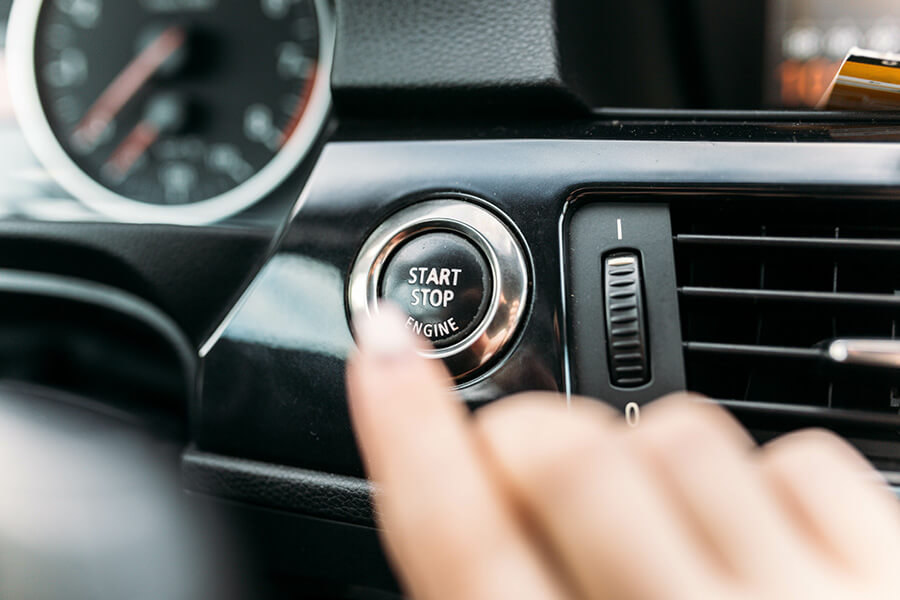
A starter interrupt is a relay wired into a vehicle's starter circuit. When it's switched on, the starter can't crank the engine, so the vehicle won't start until it's switched off again. Lenders and buy-here-pay-here dealers pair it with a GPS tracker so they can find a vehicle and keep it from starting, used within their state's rules.
Key takeaways
- A starter interrupt blocks the starter circuit, so it stops the next start. It does not shut off an engine that is already running.
- Paired with a GPS tracker, it lets a lender or fleet owner see where a vehicle is and keep it from starting again.
- GPS Leaders sells starter interrupt as a $10 add-on for hardwired installs of a compatible GPS Leaders tracker, with one socket and one relay; professional installation is recommended ( BHPH tracking ).
- State law controls disabling a financed vehicle, and several states have specific rules, so starter interrupt is used within your state's rules.
Vehicle theft continues to be a significant concern for both personal vehicle owners and businesses that rely on fleet operations. A variety of security technologies have been developed over the years to address these concerns, and one of the most effective innovations is starter interrupt technology. This technology is specifically designed to prevent unauthorized individuals from starting a vehicle and is a key feature in modern vehicle security and anti-theft systems. It is increasingly being used by both individual car owners and fleet managers to protect their vehicles from theft and misuse.
In this article, we will take a deep dive into how starter interrupt works, its role in vehicle security, its installation process, and its impact on fleet management. This technology offers a comprehensive solution to prevent theft while enhancing overall fleet efficiency.
What is a starter interrupt device?
Starter interrupt technology is a highly effective security feature that prevents the engine of a vehicle from starting without proper authorization. Essentially, it disables the vehicle’s starter system, which is the component responsible for turning the engine over. The interrupt works by disconnecting the power supply to the starter motor, which can be done via a remote signal or by using a key fob or mobile app. This ensures that even if a thief manages to gain access to the vehicle’s ignition system, they will not be able to start the engine and drive away.
The technology operates in conjunction with a vehicle’s security system. In case an unauthorized user attempts to start the vehicle, the system triggers the starter interrupt mechanism. In simpler terms, the vehicle’s electrical system is interrupted, and the starter motor is unable to receive the power required to turn over the engine.
One of the key benefits of starter interrupt technology is its customizability. For instance, some systems allow vehicle owners to remotely activate or deactivate the starter interrupt feature using a smartphone app or web-based control panel. This functionality gives vehicle owners or fleet managers real-time control over the vehicle, providing the added benefit of remote immobilization.
In addition, GPS tracking systems are often integrated with starter interrupt technology. This combination allows for real-time tracking of a vehicle’s location. In the unfortunate event that a vehicle is stolen, the owner can not only immobilize the vehicle remotely but also track its exact location, increasing the chances of quick recovery.
How does starter interrupt fit into vehicle security?
Vehicle security and anti-theft systems have become increasingly sophisticated over the years, and starter interrupt technology is a major component of these systems. The evolution of automotive security has seen a shift from traditional methods such as steering wheel locks and ignition alarms to modern, high-tech solutions like keyless entry systems, electronic immobilizers, and remote start/stop systems.
Historically, thieves would rely on hot-wiring or bypassing ignition systems to steal a vehicle. However, the introduction of electronic ignition systems has made this method much more difficult. Starter interrupt technology enhances this by adding an additional layer of security, making it virtually impossible for unauthorized individuals to start the vehicle without the correct authorization signal.
In many modern vehicles, starter interrupt systems are part of a comprehensive anti-theft package that includes key fobs, transponder keys, and vehicle tracking. These systems work together to create a multi-layered defense mechanism that is difficult for thieves to bypass. The integration of mobile app controls with starter interrupt technology has made it even easier for vehicle owners to monitor and control their vehicles remotely.
For businesses that operate large fleets of vehicles, starter interrupt technology provides a valuable tool for preventing theft and unauthorized use. It also allows fleet managers to remotely disable a vehicle if it is being used without proper authorization or if it is taken off-course. This feature significantly enhances both security and operational efficiency.
How does a starter interrupt stop a car from starting?
Starter interrupt technology works by actively preventing unauthorized starts, which is critical for vehicle security. Let’s break down how the system operates to ensure that only authorized users can start the vehicle.
- Key Fob Authorization: The most common way starter interrupt systems function is through a key fob that communicates with the vehicle’s security system. The key fob sends a unique signal to the vehicle, which is recognized by the system as valid. If the signal is received and verified, the starter motor is activated, allowing the engine to start.
- Unauthorized Attempt: If someone attempts to start the vehicle without the proper signal (for instance, a thief who has stolen the car), the system immediately triggers the starter interrupt. This interruption prevents the starter motor from receiving the necessary power to turn the engine over. The vehicle remains immobilized until the correct signal is sent.
- Mobile App Integration: Many modern systems go beyond physical key fobs and integrate with mobile apps. These apps allow the user to control the starter interrupt system remotely. For example, a fleet manager can monitor a vehicle’s location and remotely disable the starter if the vehicle is taken off course or if unauthorized use is suspected.
- Additional Layers of Protection: Some systems offer additional layers of protection, such as PIN code entry or biometric authentication, further reducing the chances of unauthorized access. The combination of these security features makes starter interrupt technology one of the most effective ways to prevent vehicle theft.
- Recovery and Tracking: When starter interrupt systems are integrated with GPS tracking, owners or fleet managers can locate the vehicle in real-time. If the vehicle is stolen, they can track its location and disable the engine to prevent further movement. In some cases, law enforcement agencies work in coordination with fleet managers to help recover stolen vehicles.
How is a starter interrupt installed?
Installing starter interrupt devices in vehicles typically requires professional installation to ensure proper integration with the vehicle’s electrical system. Here’s a breakdown of the typical installation process for starter interrupt systems:
- Choosing the System: The first step in the installation process is selecting the appropriate starter interrupt system. This system must be compatible with the vehicle’s make and model. Some systems offer basic functionality, while others come with additional features like GPS tracking, mobile app control, and remote immobilization. For businesses with large fleets, choosing an advanced system that offers comprehensive security features is often the best choice.
- System Integration: The system is integrated into the vehicle’s ignition and starter circuits. This usually involves installing a relay switch that can be controlled remotely. The installation process also includes wiring the system to the vehicle’s power supply, ensuring it works seamlessly with the vehicle’s existing electrical system.
- Power Supply and Wiring: Wiring must be carefully routed through the vehicle’s interior to ensure the system is connected to both the ignition system and the starter motor. Proper insulation and secure connections are vital to prevent electrical failures and ensure the system works reliably over time.
- Testing and Calibration: After installation, the system is rigorously tested to ensure it functions correctly. This includes checking the signal reception from the key fob or mobile app, ensuring the relay switch correctly interrupts the electrical current, and testing the system’s response time.
- Owner Training: Once the system is installed and functioning, vehicle owners or fleet managers are provided with training on how to operate the starter interrupt system. This training covers how to activate or deactivate the system, monitor vehicle status, and use any additional features such as tracking or remote disablement.
Why do lenders and fleets use starter interrupt?
For fleet managers, starter interrupt technology has a profound impact on both security and operational efficiency. Here are some of the ways in which starter interrupt devices affect fleet management:
- Improved Security: The primary benefit of starter interrupt technology is its ability to prevent theft. Fleet vehicles are valuable assets, and preventing theft can save businesses from the significant costs associated with replacing stolen vehicles and lost productivity. With starter interrupt systems in place, fleet managers can rest assured knowing that their vehicles are protected from unauthorized use.
- Remote Control: One of the most significant advantages of starter interrupt systems for fleet managers is the ability to remotely disable vehicles. If a vehicle is stolen, fleet managers can track it in real-time and remotely disable the engine, rendering it immobile. This minimizes the potential damage caused by theft and increases the likelihood of recovering the vehicle.
- Reduced Insurance Costs: Insurance premiums for businesses with fleet vehicles are often higher due to the increased risk of theft and accidents. By reducing the likelihood of theft, starter interrupt technology can help fleet managers make the case for lower premiums with their insurer.
- Increased Operational Efficiency: By preventing unauthorized use of fleet vehicles, starter interrupt systems help ensure that vehicles are only used by authorized personnel. This improves fleet management efficiency and reduces instances of unauthorized vehicles being used for personal purposes. Fleet managers can also monitor vehicle usage patterns and optimize routes, contributing to cost savings and productivity gains.
Why do lenders pair starter interrupt with GPS tracking?
A starter interrupt and a GPS tracker solve two different problems for an auto lender or buy-here-pay-here dealer. The starter interrupt answers "can this car be driven?" The GPS tracker answers "where is it?" Used together, they cover the moments that cost a lender the most:
- A payment goes past due. The lender can see where the car is and, within state rules, keep it from starting until the customer gets in touch.
- The customer stops answering. Instead of paying for skip tracing, the lender knows the car's last location.
- A recovery is needed. The recovery agent gets a current location instead of an old address, which cuts repeat trips and storage days.
- The car is stolen. The lender can share the location with police and keep the car from being driven again once it's parked.
Most lenders use the starter interrupt sparingly, as a prompt to call rather than a first move. The GPS tracker does the everyday work.
Starter interrupt vs. wireless GPS tracking: which does a BHPH dealer need?
The difference is control versus visibility.
- Starter interrupt: stops the next start. It's wired into the starter circuit (professional install recommended) and works best for prompting a past-due customer to call. It doesn't tell you where the car is.
- Wireless (battery) GPS tracker: shows where the vehicle is. There's no wiring, so it's quick to place and hide, and it works best for locating collateral, skip tracing and recovery. It can't stop the car from being driven.
A starter interrupt alone leaves the most expensive question unanswered: where is the car? A wireless tracker alone can't keep a car from being driven. That's why many dealers use a hardwired tracker with an optional starter interrupt on the accounts they consider higher risk, and a wireless tracker where a quick, wire-free install matters more. See wireless BHPH tracking and hardwired BHPH tracking .
What GPS Leaders offers
Our BHPH / lender tracker is $89 per vehicle with five years of service included and no annual fees. Starter interrupt is a $10 add-on for hardwired installs of a compatible GPS Leaders tracker, used within your state's rules. See BHPH and lender tracking .
FAQ
Does a starter interrupt shut off a running car?
No. It blocks the starter circuit, so it stops the next start. An engine that is already running keeps running until it is turned off.
Is starter interrupt legal on a financed car?
Dealers and lenders use it in many states, but state law controls disabling a financed vehicle and several states have specific rules. It is used within your state's rules.
Do I need GPS with a starter interrupt?
Not always, but pairing them lets you see where the vehicle is as well as keep it from starting, which is how lenders use it for collateral recovery.
How much does GPS Leaders charge for starter interrupt?
It is a $10 add-on for hardwired installs of a compatible GPS Leaders tracker, and it includes one socket and one relay. Professional installation is recommended.
Is a starter interrupt better than a GPS tracker for a BHPH dealer?
They do different jobs. A starter interrupt keeps a car from starting; a GPS tracker tells you where it is. Most dealers start with the tracker and add starter interrupt on higher-risk accounts.
Why do lenders use starter interrupt with GPS?
So they can find a financed car and, within their state's rules, keep it from starting until a past-due customer gets in touch. It reduces skip tracing and repeat recovery trips.
Conclusion
Starter interrupt technology plays a critical role in enhancing vehicle security, especially for fleet operators. By preventing unauthorized vehicle starts, fleet managers can mitigate the risk of theft, improve security, and reduce operating costs. This technology offers an easy-to-use solution that integrates seamlessly with other vehicle security features, providing a comprehensive anti-theft approach.
Integrating starter interrupt technology helps businesses and individuals protect their assets. It provides a barrier against theft, and it supports cost savings, operational efficiency, and better fleet management. Whether for small business owners or large fleet operators, starter interrupt systems are a practical tool for securing vehicles and keeping operations running smoothly.
This is general information, not legal advice.