OBD2 Shield & Lock
The Hidden Risk in Every Vehicle: Why Dealerships Should Secure Their OBD2 Ports
Learn why unsecured OBD2 ports are a growing theft risk for dealerships and how OBD2 Shield & Lock solutions help protect vehicle inventory.

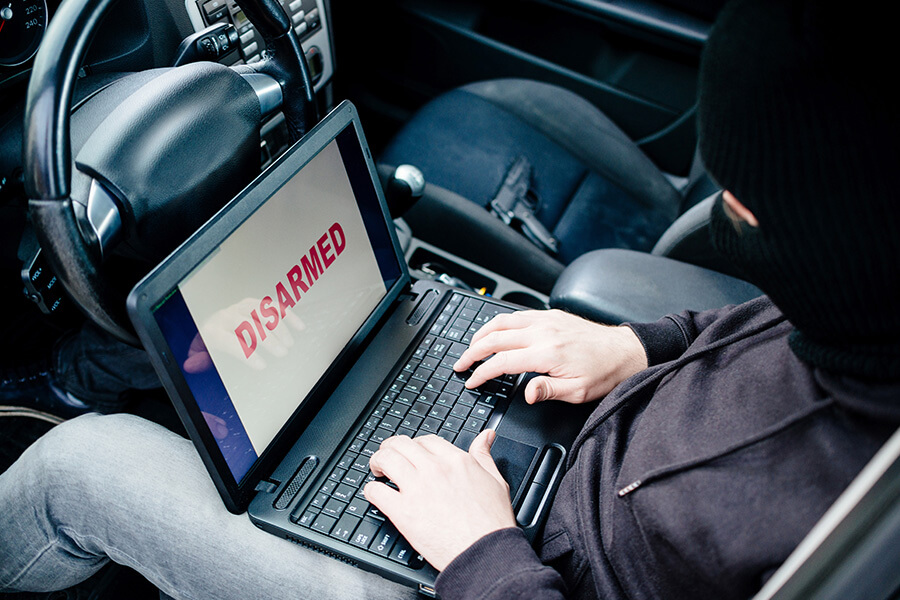
Vehicle theft has evolved dramatically over the past decade. Modern thieves are no longer relying solely on broken windows, forced ignition switches, or stolen keys to gain access to vehicles. Today's criminals are leveraging sophisticated electronic tools and exploiting vulnerabilities built into nearly every modern vehicle.
One of the most overlooked security risks affecting dealerships today is the On-Board Diagnostics Port, more commonly known as the OBD2 port.
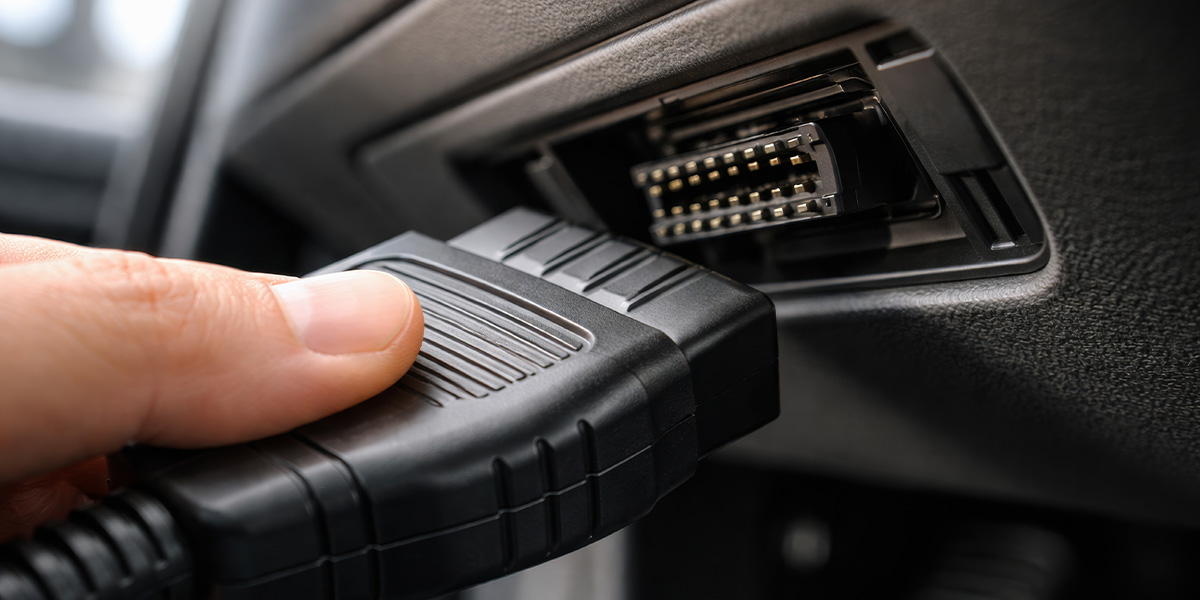
Originally designed to help technicians diagnose vehicle problems and access engine data, the OBD2 port has become a target for organized theft rings seeking fast and discreet access to vehicle systems. While the OBD2 port remains an essential component of modern vehicle maintenance and diagnostics, its accessibility has unintentionally created an opportunity for criminals.
For new car dealerships, used car dealerships, fleet operators, and finance companies, understanding and securing this vulnerability has become increasingly important.
In this guide, we explore how criminals exploit OBD2 ports, why dealerships should be concerned, and how physical security solutions such as the GPS Leaders OBD2 Shield & Lock can help protect inventory, reduce losses, and improve overall dealership security.
Understanding the OBD2 Port
The OBD2 port became standardized across most vehicles sold in the United States beginning in 1996. Federal regulations required manufacturers to provide a universal interface that allowed technicians to access diagnostic information related to emissions systems and vehicle performance.
Today, OBD2 ports provide access to a wide range of vehicle information, including:
- Engine diagnostics
- Emissions data
- Vehicle identification information
- Service codes
- Electronic control module communication
- Sensor readings
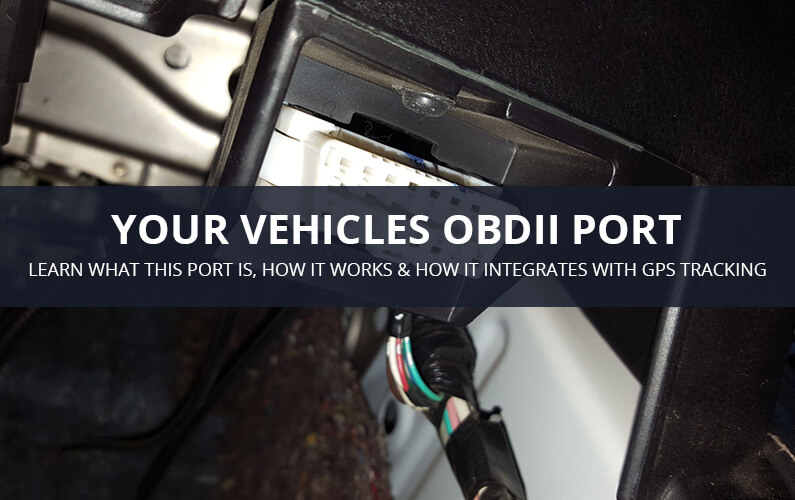
Because technicians need convenient access during service appointments, manufacturers typically place OBD2 ports underneath the dashboard within easy reach of the driver's seat.
While this accessibility benefits service departments, it also creates an opportunity for criminals.
Why Criminals Target OBD2 Ports
Modern vehicles rely heavily on electronic systems and computer-controlled modules. In many vehicles, the OBD2 port provides access to these systems through specialized diagnostic tools.
Criminals have learned that by connecting unauthorized programming devices to the OBD2 port, they may be able to:
- Program unauthorized key fobs
- Reprogram vehicle security systems
- Access vehicle communication networks
- Disable certain anti-theft protections
- Facilitate vehicle theft
Unlike traditional theft methods that often leave visible signs of forced entry, OBD2-based theft techniques can occur quickly and with minimal evidence.
This makes the OBD2 port an attractive target for organized theft operations.
Vehicle Theft Remains a Major Problem
Vehicle theft continues to impact dealerships and consumers throughout the United States.
According to the National Highway Traffic Safety Administration (NHTSA), more than one million vehicles were stolen nationwide during 2023, representing one of the highest theft totals in recent history.
Source:https://www.nhtsa.gov/press-releases/vehicle-theft-prevention-month-2024
The financial impact extends far beyond the value of the vehicle itself.
Dealerships may also experience:
- Increased insurance costs
- Inventory shortages
- Operational disruptions
- Customer dissatisfaction
- Administrative expenses
- Reputation damage
As theft methods become more sophisticated, dealerships must adopt security measures that address both physical and electronic vulnerabilities.
The Financial Impact of Inventory Theft
Every vehicle on a dealership lot represents invested capital.
According to Experian's State of the Automotive Finance Market Report, average new and used vehicle transaction values remain significantly higher than historical averages.
Source:https://www.experian.com/automotive/auto-finance-market-report
When inventory is stolen, dealerships often face multiple financial consequences:
- Loss of retail profit opportunities
- Insurance deductibles
- Inventory replacement costs
- Investigation expenses
- Potential increases in future premiums
For dealerships carrying hundreds of vehicles, even a single theft can have a meaningful financial impact.
Protecting inventory is no longer simply about preventing loss—it is about protecting profitability.
How OBD2-Based Theft Typically Occurs
Most dealership employees are familiar with traditional vehicle theft methods.
However, OBD2-based theft often follows a different process.
A criminal may:
- Gain access to the vehicle.
- Locate the OBD2 port.
- Connect a programming device.
- Program a new key or key fob.
- Start the vehicle.
- Drive away.
The entire process may take only a matter of minutes.
Because the theft often involves electronic manipulation rather than physical damage, signs of tampering may be limited.
This can delay discovery and complicate investigations.
Why Dealerships Are Particularly Vulnerable
Dealerships face unique security challenges.
Unlike private owners, dealerships maintain large inventories of vehicles in a single location.
This creates an attractive target for criminals seeking multiple opportunities.
Additional risk factors include:
- High inventory concentrations
- Public accessibility
- Extended after-hours exposure
- Frequent customer traffic
- Test drive activity
- Service department access
The larger the inventory, the greater the potential exposure.
For organized theft rings, dealerships can provide access to multiple vehicles in a relatively short period of time.
Use Case: Overnight Inventory Theft
Imagine a dealership with 300 vehicles on the lot.
A thief gains access after hours and targets a high-demand truck or SUV.
Without additional protection, the OBD2 port may provide an avenue for unauthorized programming activity.
The vehicle is removed before staff arrive the following morning.
By the time the theft is discovered, valuable time has already been lost.
An OBD2 Shield & Lock creates an additional physical barrier that significantly increases the effort required to access the port.
This added layer of protection may encourage thieves to move on to easier targets.
Use Case: High-Demand Vehicle Protection
Certain vehicles are more attractive to thieves than others.
According to NHTSA theft data, popular trucks, SUVs, and certain high-demand passenger vehicles frequently appear among the most stolen vehicles in America.
Source:https://www.nhtsa.gov/road-safety/vehicle-theft-prevention
Dealerships often carry multiple examples of these desirable vehicles.
By securing OBD2 ports on high-demand inventory, dealerships can reduce risk while improving protection for some of their most valuable assets.
The Cost of Being an Easy Target
Criminals often seek the path of least resistance.
When evaluating potential targets, thieves frequently look for vehicles that can be accessed quickly and quietly.
Security measures do not necessarily need to make theft impossible.
Often, they simply need to make theft more difficult than alternative targets.
This concept is known as target hardening.
By increasing the effort required to access the OBD2 port, dealerships can reduce attractiveness to opportunistic criminals.
Physical Security Still Matters
As vehicle technology becomes increasingly digital, some organizations focus exclusively on electronic security.
However, physical security remains one of the most effective theft deterrents available.
Examples include:
- Security cameras
- Fencing
- Lighting
- Access controls
- Wheel locks
- OBD2 locks
Physical barriers force criminals to spend more time, create more noise, and increase their chances of being detected.
The GPS Leaders OBD2 Shield & Lock follows this principle by protecting one of the most commonly exploited vehicle access points.
Why Layered Security Works Best
No single security measure should be relied upon exclusively.
The most effective dealership security programs combine multiple layers of protection.
These layers may include:
- Video surveillance
- Lot lighting
- Employee procedures
- GPS tracking
- OBD2 port protection
Each layer increases the difficulty of successful theft.
Together, these measures create a stronger overall security posture.
Protecting GPS Tracking Investments
Many dealerships invest in GPS tracking technology to improve inventory management and recovery capabilities.
However, GPS tracking alone does not address every threat.
A criminal who gains electronic access to a vehicle through the OBD2 port may attempt to manipulate systems or disrupt asset protection efforts.
Protecting the OBD2 port helps strengthen overall vehicle security while complementing GPS tracking strategies.
This is why many dealerships deploy both GPS tracking and OBD2 protection solutions together.
Inventory Visibility and Theft Recovery
Vehicle theft prevention and theft recovery are closely related.
According to the National Insurance Crime Bureau, vehicle theft remains a persistent issue nationwide, highlighting the importance of rapid recovery capabilities.
Source:https://www.nicb.org/news/news-releases
While OBD2 Shield & Lock helps deter theft attempts, GPS tracking provides visibility when vehicles move unexpectedly.
Together, these technologies create a powerful combination:
- OBD2 Shield & Lock helps prevent theft.
- GPS tracking helps recover stolen vehicles.
This layered approach maximizes dealership protection.
The Growing Importance of Dealership Risk Management
The automotive retail environment continues to evolve.
According to McKinsey & Company, dealerships face increasing pressure to improve operational efficiency, reduce losses, and optimize profitability.
Source:https://www.mckinsey.com/industries/automotive-and-assembly/our-insights
Inventory losses directly impact these objectives.
Investing in proactive security measures can help dealerships:
- Reduce theft exposure
- Protect profitability
- Improve operational stability
- Strengthen risk management practices
Security should be viewed as an investment rather than an expense.
What to Look for in an OBD2 Protection Solution
Not all OBD2 security solutions are created equal.
Dealerships should evaluate products based on:
Durability
The device should withstand daily dealership operations.
Ease of Installation
Large inventories require solutions that can be deployed efficiently.
Tamper Resistance
The system should significantly increase the effort required to access the OBD2 port.
Vehicle Compatibility
The solution should support a broad range of makes and models.
Scalability
The solution should be practical for both small and large dealership groups.
These characteristics help maximize return on investment while improving protection.
Why Dealerships Are Adding OBD2 Shield & Lock Devices
As awareness of OBD2-related theft methods increases, more dealerships are implementing preventative measures.
Benefits include:
- Improved inventory security
- Reduced theft risk
- Enhanced asset protection
- Better risk management
- Increased peace of mind
The cost of implementing preventative security is often far less than the cost of replacing stolen inventory.
Why GPS Leaders Is the Smart Choice
At GPS Leaders, we understand the challenges facing modern dealerships.
Vehicle theft methods continue to evolve, requiring dealerships to adopt smarter and more proactive protection strategies.
Our OBD2 Shield & Lock solution was designed specifically to help dealerships:
- Protect inventory
- Secure vulnerable OBD2 ports
- Improve overall lot security
- Strengthen asset protection programs
When combined with GPS Leaders GPS tracking solutions, dealerships gain a comprehensive security strategy that addresses both theft prevention and theft recovery.
The result is improved protection for inventory, enhanced operational confidence, and reduced exposure to costly losses.
Learn more about GPS Leaders OBD2 Shield & Lock:
https://gpsleaders.com/obd2-shield-lock
The OBD2 port was designed to simplify vehicle diagnostics and maintenance. However, as vehicle technology has evolved, criminals have learned to exploit this access point as part of sophisticated theft strategies.
For dealerships, ignoring this vulnerability can create unnecessary risk.
With vehicle theft remaining a significant concern and inventory values continuing to rise, securing OBD2 ports has become an increasingly important component of dealership security.
By implementing physical protection measures such as the GPS Leaders OBD2 Shield & Lock, dealerships can significantly reduce exposure to OBD2-related theft techniques while strengthening overall inventory protection.
When paired with GPS tracking and other security measures, OBD2 protection helps create a layered defense strategy that safeguards inventory, protects profitability, and supports long-term business success.
If you're ready to strengthen your dealership's security program and protect your inventory from modern theft techniques, learn more about the GPS Leaders OBD2 Shield & Lock today:
Protect your inventory. Reduce theft risk. Secure your OBD2 ports with GPS Leaders.
👉 Book a demo to see how your portfolio could perform with smarter GPS tracking
👉 Buy online and start protecting your assets immediately
👉 Call Us and speak with a specialist