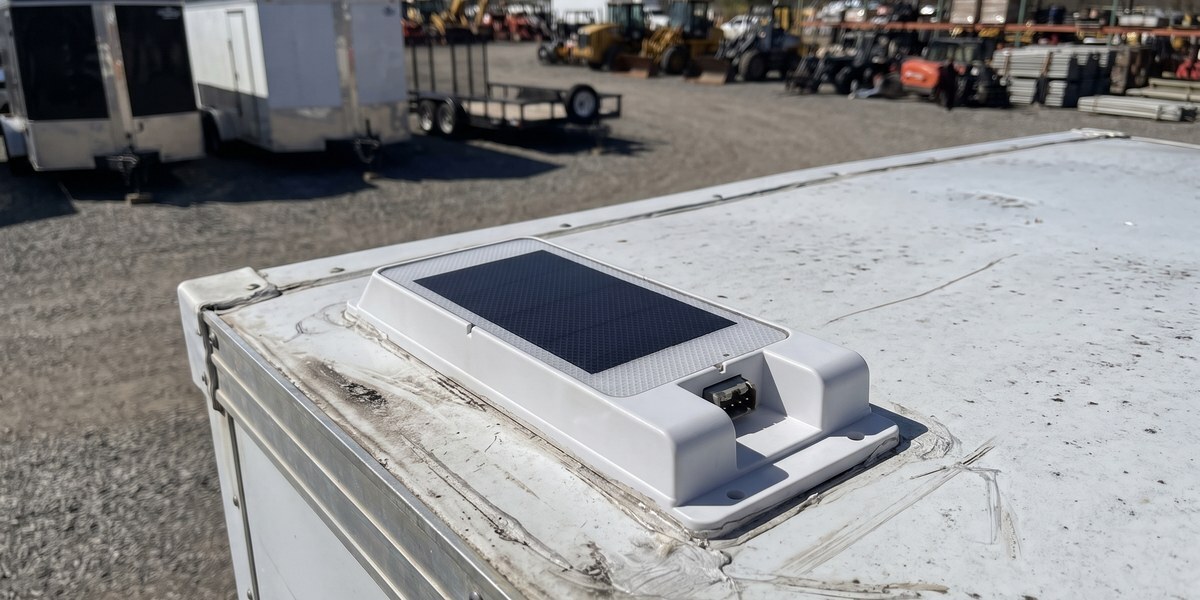
Fleet Tracking
Integrating Fleet GPS Tracking with Maintenance Workflows
Reduce fleet downtime with GPS-integrated maintenance. Learn how GPS Leaders helps you predict repairs, cut costs, and keep vehicles on the road.


Integrating Fleet GPS Tracking with Maintenance Workflows: Reducing Downtime Across Your Fleet
Unplanned downtime is the silent profit killer in fleet operations. When a vehicle is off the road, you’re not just losing billable hours—you’re compounding costs across maintenance, dispatch, customer service, and asset depreciation. The solution isn’t merely “doing more maintenance.” It’s integrating real-time GPS tracking directly into your maintenance workflows so you can see issues earlier, schedule smarter, and keep assets earning.
This guide shows how to connect GPS data with inspections, preventive maintenance (PM), parts planning, and shop scheduling to reduce downtime—while staying compliant and creating measurable ROI. We’ll anchor the strategy in independent data and close with an action plan leveraging GPS Leaders Fleet Tracking.
Why Downtime Reduction Starts with Data
Every minute of vehicle activity creates signals—location, ignition events, stop/start patterns, dwell time, idling, and mileage/engine-hour accrual—that predict maintenance demand. When those signals flow automatically into your maintenance process, you can:
- Transition from reactive fixes to predictive interventions
- Reduce unscheduled shop visits
- Tighten PM intervals based on use, not guesswork
- Pre-stage parts and labor before the vehicle arrives
- Keep assets aligned to the routes and loads they’re built for
Consider the macro cost backdrop: the American Transportation Research Institute (ATRI) has tracked trucking costs per mile rising to all-time highs, with repair and maintenance among the fastest-growing line items in recent years. That pressure makes proactive, data-driven maintenance a direct lever on profitability. truckingresearch.org
The Compliance Foundation You Can’t Ignore
Before we wire GPS into your workflows, remember the regulatory guardrails that shape maintenance:
- FMCSA inspection & maintenance rules (49 CFR Part 396): Commercial vehicles must receive periodic inspections (at least annually), and carriers must maintain records proving inspections/repairs. This forms the baseline your digital workflow should support—not replace. FMCSA
- Maintenance & safety risk: Carriers flagged for vehicle-maintenance issues have a 65% higher future crash rate than the national average—clear evidence that disciplined maintenance is a safety imperative, not just a cost line. FMCSA
When your GPS data auto-feeds maintenance triggers and documentation, you strengthen both safety outcomes and audit readiness.
GPS Signals That Supercharge Maintenance
1) Mileage & Engine Hours (Odometer-Equivalent Triggers)
Setting PM purely by calendar time ignores reality. GPS-linked mileage and, where supported, engine-hour accruals let you schedule based on actual use—so light-duty vehicles aren’t over-serviced and high-utilization units aren’t starved between intervals.
How to use it:
- Create PM templates tied to thresholds (e.g., 5,000 miles / 250 engine hours).
- Add “look-ahead” alerts (e.g., notify at 4,500 miles) so parts and labor can be staged in advance.
2) Harsh Events & Duty Cycle (Clues to Accelerated Wear)
Frequent hard-brake/accel events, steep grades, off-pavement routes, and heavy stop-and-go all accelerate wear on brakes, bushings, steering components, and transmissions. GPS-derived route and behavior context helps flag vehicles that need earlier inspections.
- Auto-open inspection tasks when a threshold of harsh-event density or rough-route segments is hit.
- Tighten PM for high-stress routes; loosen it for steady-state highway units.
3) Idling & Thermal Stress (Fuel Cost + Maintenance Load)
Idling doesn’t just burn fuel; it adds heat cycles, carbon buildup, and lubrication stress. The U.S. Department of Energy’s Alternative Fuels Data Center (AFDC) reports long-haul heavy-duty trucks typically consume ~0.8 gallons of diesel per idling hour, and nationwide, idling burns over one billion gallons annually—avoidable cost with maintenance implications. Alternative Fuels Data Center
- Trigger “excess idling” coaching and create oil-change compression intervals for chronic idlers.
- Link idling hotspots (by GPS location) to operational fixes: install shore power at depots or adjust dwell-time windows.
4) DTC/Tamper & Power-Loss Notifications
Even if you don’t ingest full diagnostics, power-disconnect or tamper alerts are potent early warnings. A tracker repeatedly losing power likely indicates a loose harness or battery health issue—both preventable road calls if caught early.
- Auto-create a quick electrical inspection work order whenever power-loss flags occur within a set window.
- Require “verified fix” sign-off before the unit returns to service.
From Raw GPS to a Living Maintenance Workflow
Step 1: Normalize the Data
Feed standardized signals—miles, hours, idling minutes, harsh events, power integrity, and last-service date—into your maintenance system (or a spreadsheet pipeline if you’re early-stage). Keep it simple: one row per vehicle per day.
Step 2: Define Triggered Work
Translate signals into rules your shop can follow without debate. Examples:
- PM-A Oil & Filter: every 5,000 miles or 250 hours, 10-day look-ahead
- Brake-Check: any vehicle with X harsh-brake events per 1,000 miles this month
- Battery/Charging Inspection: any vehicle with 2+ power-loss events in 14 days
- Cooling System Check: any vehicle that idled Y hours this week in ambient temps 90°F
Step 3: Pre-Stage Parts & Labor
Use look-ahead windows to reserve bay time and pick parts based on the vehicle’s VIN and service history. This single habit can cut dwell time dramatically because the clock isn’t ticking while someone hunts a filter or waits on a belt.
Step 4: Schedule by Route, Not Just by Time
Because GPS knows where vehicles will be, align shop appointments with routes. If a truck’s Thursday route ends near your shop at 3:30 PM, schedule the PM then. Reduce deadhead and minimize customer-facing impact.
Step 5: Close the Loop with Proof
Tie the finished work order back to the GPS-trigger that opened it. Now you have an audit trail aligning use → trigger → inspection/repair → return-to-service, which supports FMCSA documentation and internal QA. FMCSA
Safety, Reliability, and the Predictive Edge
Modern analytics move beyond fixed intervals into prediction—estimating remaining useful life (RUL) and intervening before failure. While many studies focus on factories, the principle maps well to fleets: predictive maintenance typically reduces unplanned downtime by ~30–50% and lengthens asset life by ~20–40% when supported by high-quality data and processes. McKinsey & Company
For fleets, the practical play is to start with leading indicators you already see via GPS (miles/hours, idling, route stress) and gradually layer in diagnostics and shop outcomes to train smarter thresholds over time.
The Economics: Turning Wrenches into ROI
You don’t need complex models to see the financial impact:
- Avoided Road Calls & Tow BillsCatching a battery or belt issue before a route failure averts towing, rescues, and missed SLAs. These events carry “hidden” costs in customer service credits and schedule chaos.
- Fewer Repeat RepairsWhen power-loss/tamper alerts open electrical checks and techs verify fixes before release, you reduce comebacks that eat productive bay hours.
- Fuel & IdlingReducing idling is immediate cash. With ~0.8 gal/hour of diesel burned at idle and national gallons wasted in the billions, even small behavioral and scheduling changes add up fast—and reduce oil contamination and after-treatment strain. Alternative Fuels Data Center
- Safer, More Compliant FleetThere’s a documented link between poor maintenance indicators and elevated crash risk. Reducing maintenance violations not only protects people and equipment; it protects premiums and uptime. FMCSA
- Parts & Labor EfficiencyLook-ahead scheduling shrinks cycle time. A bay occupied for 2.5 hours instead of 5 means more vehicles maintained per shift and fewer backlogs.
A Sample Playbook: 90 Days to Integrated Maintenance
Weeks 1–2: Baseline & Data Plumbing
- Connect GPS data (miles/hours, idling, harsh events, power-loss) to your maintenance system or a structured spreadsheet.
- Inventory current PM templates and failure hot spots (batteries, brakes, cooling, tires).
Weeks 3–4: Trigger Definitions & Pilot Group
- Choose 25–50 vehicles.
- Set 4–6 rules (PM-A, brake-check, battery/charging, cooling, tire rotation).
- Turn on look-ahead alerts so schedulers can pre-stage parts and labor.
Weeks 5–8: Shop Rhythm & Scheduling
- Publish a rolling 14-day PM calendar driven by GPS triggers.
- Assign bay time to coincide with route endpoints near the shop.
- Track dwell time per job and the percent of appointments with all parts on hand.
Weeks 9–10: Coach to Reduce Idling & Harsh Events
- Share driver scorecards privately and set achievable targets (e.g., -15% idling).
- For repeat idlers, compress oil-change intervals and check after-treatment systems.
Weeks 11–12: Results Review & Portfolio Rollout
- Compare baseline vs. pilot: PM compliance, unplanned repairs, dwell time, idling hours, and road calls.
- Expand to the next cohort; refine thresholds based on shop feedback.
The Role of GPS Leaders in Your Maintenance Workflow
GPS Leaders Fleet Tracking is designed for operations teams who need reliable usage data and actionable alerts—not noise. Here’s how it fits your maintenance game plan:
- Real-Time Usage & Health SignalsContinuous mileage/engine-hour accruals, ignition and movement data, idling, and power-integrity alerts feed your PM rules without manual entry.
- Configurable AlertingSet thresholds for idling, route-stress proxies, and power-loss so maintenance gets notified early—before a roadside failure.
- Maintenance-Friendly ReportingExportable, filterable reports (by unit, region, or vehicle class) let you populate PM calendars, parts picks, and technician assignments.
- Compliance SupportAligns with FMCSA record keeping expectations by providing traceable, timestamped signals that plug into your inspection and service records. FMCSA
- Scalable ArchitectureWhether you manage 50 units or 5,000+, the platform scales with your shop cadence, not the other way around.
Explore features and integrations here: GPS Leaders — Fleet Tracking.
Frequently Asked Questions
Q: We already have a PM schedule. What’s the point of GPS integration?A: Static schedules don’t reflect real-world use. GPS-based triggers align service with actual miles/hours and duty cycle, reducing both over- and under-maintenance.
Q: Can GPS really change safety outcomes?A: Yes. Maintenance shortcomings correlate with higher crash risk; fleets targeted for maintenance interventions see 65% higher future crash rates. Better maintenance timing and documentation make fleets safer. FMCSA
Q: What’s a realistic downtime reduction target?A: It varies, but operations that embrace predictive methods in analogous industries often see 30–50% reductions in unplanned downtime when analytics drive intervention timing. Start with usage-based PM and work up. McKinsey & Company
Q: How do we justify the investment?A: Track avoided road calls, reduced dwell time, idling hours cut, and on-time PM completion. Tie each to cost-per-mile and labor utilization. ATRI’s cost frameworks can help benchmark savings. truckingresearch.org
Key Takeaways
- Integrate, don’t bolt-on: GPS data must flow into maintenance rules, calendars, and parts planning.
- Use early-warning signals: Idling, power-loss, and route stress are leading indicators—act before failures strand you.
- Prove it with records: Link GPS triggers → work orders → sign-offs to support FMCSA documentation. FMCSA
- Aim for prediction: Over time, evolve from time-based PM to usage- and condition-based interventions that cut unplanned downtime. McKinsey & Company
Conclusion
Ready to plug real-time GPS signals into your maintenance engine—and keep vehicles earning?
👉 Schedule a demo with GPS Leaders — Fleet Tracking to see how usage data, alerts, and exportable reports streamline PM, shrink dwell time, and reduce costly breakdowns. Build a maintenance workflow that’s proactive, compliant, and measurably more profitable—with GPS Leaders at the core.