Fleet Tracking
What Does DVIR Stand For? DVIR Rules Explained
DVIR stands for driver vehicle inspection report. What it covers, when drivers must fill one out, how long to keep it, plus a free printable DVIR form.

DVIR stands for driver vehicle inspection report. It is the written report a commercial driver fills out about the condition of the vehicle they drove, so any defect gets fixed before the next trip.
If you run trucks, you will see it in the federal rules as 49 CFR 396.11. Here is what it means in plain terms.
Key takeaways
- DVIR means driver vehicle inspection report.
- The driver reports any defect found or reported to them that would affect safe operation or could cause a breakdown.
- The carrier repairs the defect, or certifies a repair is not needed, before the vehicle runs again.
- Reports are kept for three months.
- Grab our free printable DVIR form if you need one.
What is a DVIR in trucking?
A DVIR is the driver's record of the vehicle's condition at the end of the day's work. The driver notes any defect they found, or that someone reported to them, that would affect safe operation or could lead to a breakdown.
The carrier then fixes the defect, or confirms a repair is not needed, and certifies that on the report. The next driver reviews the report before driving.
What does a DVIR need to cover?
The federal rule lists at least these parts and accessories:
- Service brakes, including trailer brake connections
- Parking brake
- Steering mechanism
- Lighting devices and reflectors
- Tires
- Horn
- Windshield wipers
- Rear vision mirrors
- Coupling devices
- Wheels and rims
- Emergency equipment
Many fleets add their own items, like air lines, fifth wheel, exhaust or suspension. Our free DVIR form has the federal list plus those common extras.
Are DVIRs required daily?
The report is tied to each day's work on each vehicle. Under the current rule, a driver does not have to prepare a report if no defect or deficiency was found by or reported to them.
If there is a defect, it goes on the report, and the vehicle should not run again until the carrier has repaired it, or certified that the repair is unnecessary.
The pre-trip side: 49 CFR 396.13
Before driving, a driver must be satisfied the vehicle is in safe operating condition. When the last report listed defects, the driver reviews it and signs to confirm the required repairs were done.
How long do you keep a DVIR?
The carrier keeps the original report, the repair certification and the driver's review for three months from the date the report was prepared.
Who does the DVIR rule not apply to?
The section does not apply to a private motor carrier of passengers (nonbusiness), to driveaway-towaway operations, or to a carrier operating only one commercial motor vehicle.
Rules can change and your operation may have its own requirements, so check 49 CFR 396.11 and your compliance advisor. This post is not legal advice.
Can a DVIR be electronic?
Yes. The rule allows the reports to be created and kept electronically.
Where GPS tracking fits
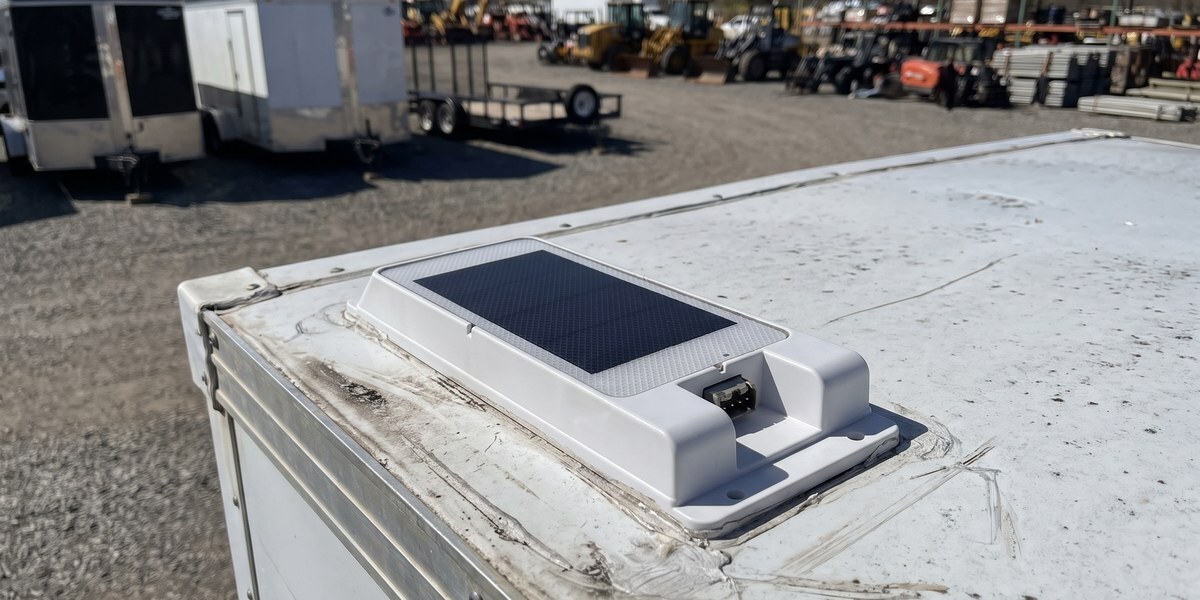
A DVIR is still a walk-around job for the driver. What a tracker does is fill in the context around it: each vehicle's trips, miles and engine hours are recorded on their own, so you know which truck ran, how far, and when it is due for service.
See how fleet tracking works, or start with the free DVIR form .
DVIR FAQ
What does DVIR stand for?
Driver vehicle inspection report.
Who fills out a DVIR?
The driver of the commercial motor vehicle. The carrier certifies any repairs, and the next driver reviews it.
Do I need a DVIR if nothing is wrong?
Under the current rule, no report is required if no defect or deficiency was found or reported.
How long do I keep DVIRs?
Three months from the date the report was prepared.