Fleet Tracking
Company Vehicle Policy: What to Include + Template
What to put in a company vehicle policy: who can drive, personal use, GPS tracking, dash cameras, accidents and fuel. Plus a simple template you can copy.

A company vehicle policy is a short written set of rules for anyone who drives a vehicle your business owns or pays for. It spells out who can drive, when personal use is allowed, how the vehicle is tracked, and what happens after an accident.
Most small fleets don't have one until something goes wrong. Writing it down first saves arguments later, and it makes GPS tracking and dash cameras much easier to introduce.
Key takeaways
- Keep it to one or two pages that every driver signs.
- Decide on personal use up front: allowed, limited, or not allowed. That one rule causes most disputes.
- If you track the vehicles or use dash cameras, say so in the policy before they go in.
- This is general information, not legal advice. Check your state's rules and talk to your accountant about personal use.
What should a company vehicle policy include?
- Who can drive. Named employees only, a valid license, and a clean enough driving record for your insurer.
- Business vs. personal use. Whether employees can use the vehicle after hours, on weekends, or for commuting, and any limits on passengers or distance.
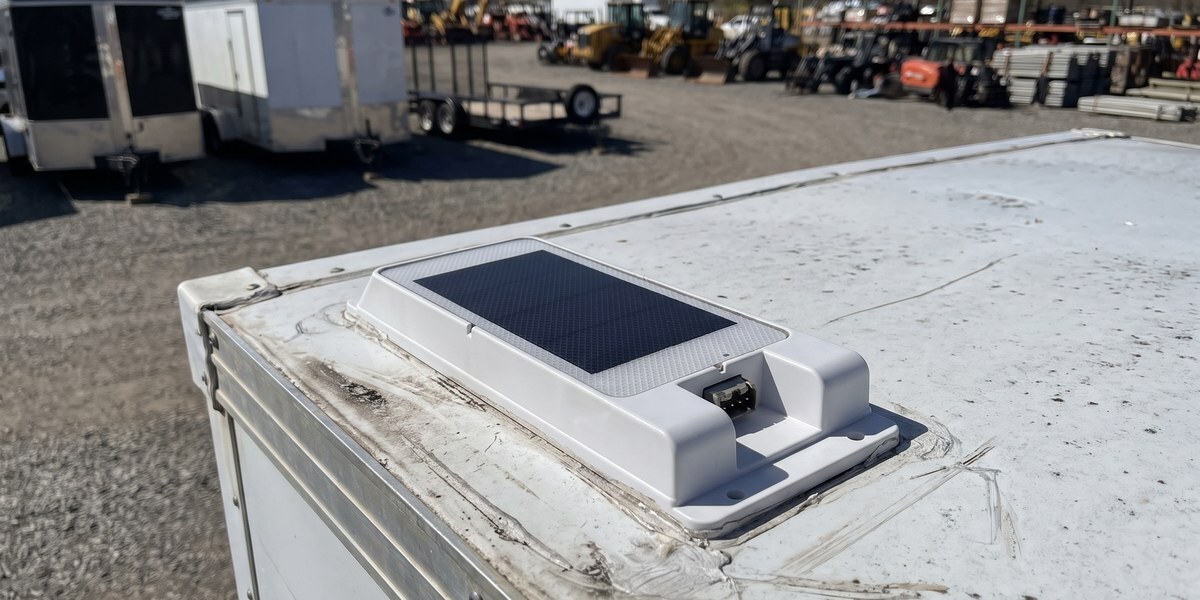
- GPS tracking. That the vehicles have trackers, what they record (location, trips, speed, idle time, after-hours use), who can see it, and that it applies to the company vehicle, not the person.
- Dash cameras. Whether vehicles have road-facing or driver-facing cameras, when they record, and who reviews the footage.
- Safe driving rules. Seat belts, phone use, speeding, and no impaired driving.
- Fuel and expenses. Fuel cards, receipts, tolls and what's reimbursed.
- Maintenance and inspections. Daily walk-arounds, reporting defects, and service schedules. For trucks, see our free DVIR form .
- Accidents and tickets. Who to call, what to photograph, and who pays traffic or parking fines.
- Consequences. What happens if the policy is broken.
Can employees use company vehicles for personal use?
It's your call as the owner, and it's the rule that causes the most trouble when it isn't written down. Common options:
- No personal use. The vehicle is for work only and stays at the yard after hours.
- Commuting only. The driver takes it home but uses it for nothing else.
- Limited personal use. Allowed within set limits, for example local errands only.
Personal use of a company vehicle can count as a taxable benefit for the employee. The IRS covers this in Publication 15-B, so check with your accountant before you allow it.
GPS tracking makes whatever rule you choose easy to follow. An after-hours alert tells you when a truck moves outside work hours, and trip history shows where it went.
Is it legal to put GPS trackers on company vehicles?
Tracking vehicles your business owns is common practice. The safest approach is to tell drivers in writing before trackers go in, explain what is tracked and why, and have each driver sign the policy. Rules on employee notice vary by state, so check yours. Our guide to GPS trackers for company vehicles covers cost and how to roll tracking out to your crew.
Are dash cameras in company vehicles legal?
Road-facing cameras are widely used in work vehicles. Driver-facing cameras and audio recording raise more privacy questions, and some states have rules about recording conversations. Tell drivers about any camera in writing, say when it records, and check your state's rules before installing driver-facing cameras. See our AI dash cameras .
Company vehicle policy template
Copy this and adjust it to your business:
[Company name] Company Vehicle Policy
- Only employees approved by [manager] may drive company vehicles. Drivers must hold a valid license and tell [manager] about any license change, accident or ticket within 24 hours.
- Company vehicles are for business use. Personal use is [not allowed / allowed for commuting only / allowed within these limits].
- Company vehicles have GPS trackers that record location, trips, speed, idle time and after-hours use. This information is used to manage the vehicles, dispatch work and verify jobs. [Manager] and [owner] can see it.
- [If applicable] Company vehicles have [road-facing / driver-facing] cameras that record [when the vehicle is running / on certain events]. Footage is reviewed by [role].
- Drivers must wear seat belts, obey traffic laws and not use a handheld phone while driving.
- Drivers do a quick inspection before each shift and report any defect to [manager] the same day.
- Fuel is purchased with the company fuel card for company vehicles only. Keep receipts.
- After an accident: make sure everyone is safe, call the police if required, take photos, and call [manager] right away.
- Breaking this policy can lead to loss of driving privileges or other discipline.
Each driver signs and dates the policy, and you keep a copy on file.
Where GPS tracking fits
A written policy says what the rules are. A tracker shows whether they're being followed: after-hours alerts for personal use, idle reports for fuel, and trip history when a customer questions a visit.
GPS Leaders fleet tracking is $69 per vehicle plus $15.98 a month, with no contract. See fleet tracking .
FAQ
What is a company vehicle policy?
A written set of rules for employees who drive vehicles the business owns or pays for, covering who can drive, personal use, tracking, safety and accidents.
Should employees sign a company vehicle policy?
Yes. A signed copy shows each driver read the rules, including any GPS tracking or cameras, before they started driving.
Can I track a company vehicle without telling the driver?
Telling drivers in writing before you start is the safer practice, and some states require notice. Put it in the policy and have each driver sign it.
Can employees take company vehicles home?
Only if your policy allows it. Many small fleets allow commuting only, and some keep vehicles at the yard. Decide, write it down, and talk to your accountant about the tax side.